CSMC’s Journey to ACI Diamond-level Accreditation
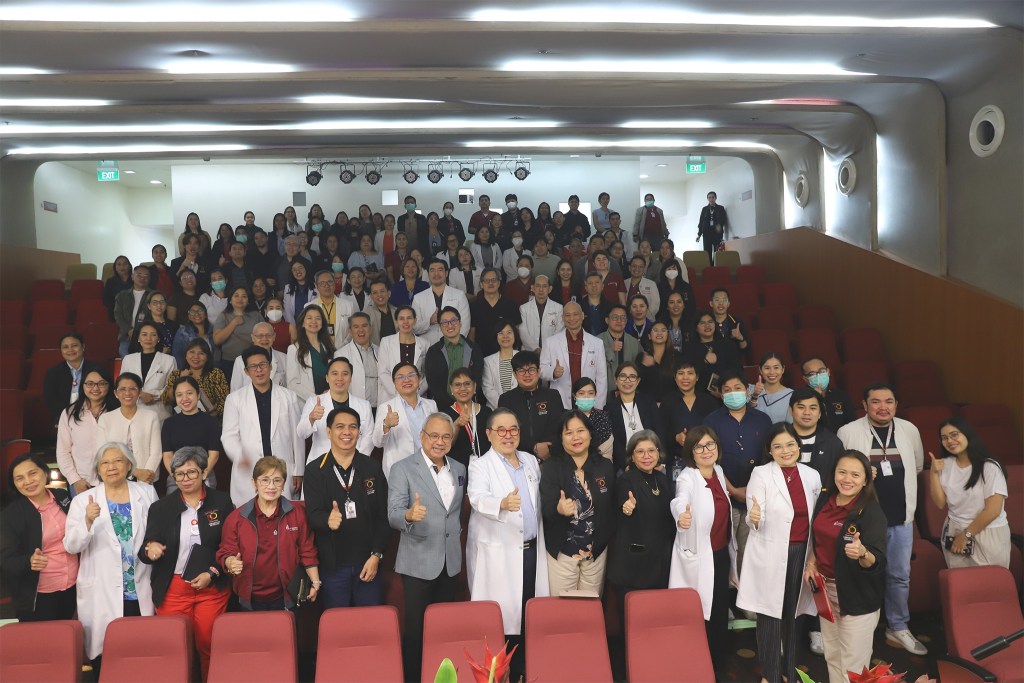
“Leadership pursued accreditation to institutionalize excellence—not simply to obtain recognition, but with the ultimate goal of giving the best care to our patients.“
Such were the words of CSMC AVP & Head of Patient Safety and Quality Management Dr. Rosemarie V. Serrano as she contextualized the hospital’s road towards garnering the esteemed Diamond-level Accreditation—the highest recognition conferred by Accreditation Canada International (ACI).
ACI, Canada’s leading health care accreditation body, is an independent, non-governmental, and not-for-profit organization known for its People Powered Health philosophy. It operates globally as an affiliate of Health Standards Organization (HSO), which develops world-class evidence-based standards, assessment programs, and quality improvement solutions.
Dr. Serrano gave high praise for ACI’s distinct partnership model. “Their collaborative approach allowed us to be transparent about our gaps, and deliberate in our solutions,” she reflected. “(The accreditation process) became a developmental journey rather than a compliance exercise.”
By achieving Diamond-level Accreditation, CSMC leadership looks to further bolster an institutional framework that reinforces good governance, embeds proactive risk management, and ensures accountability across all levels of the organization.
Perpetuating Patient‑Centred Care
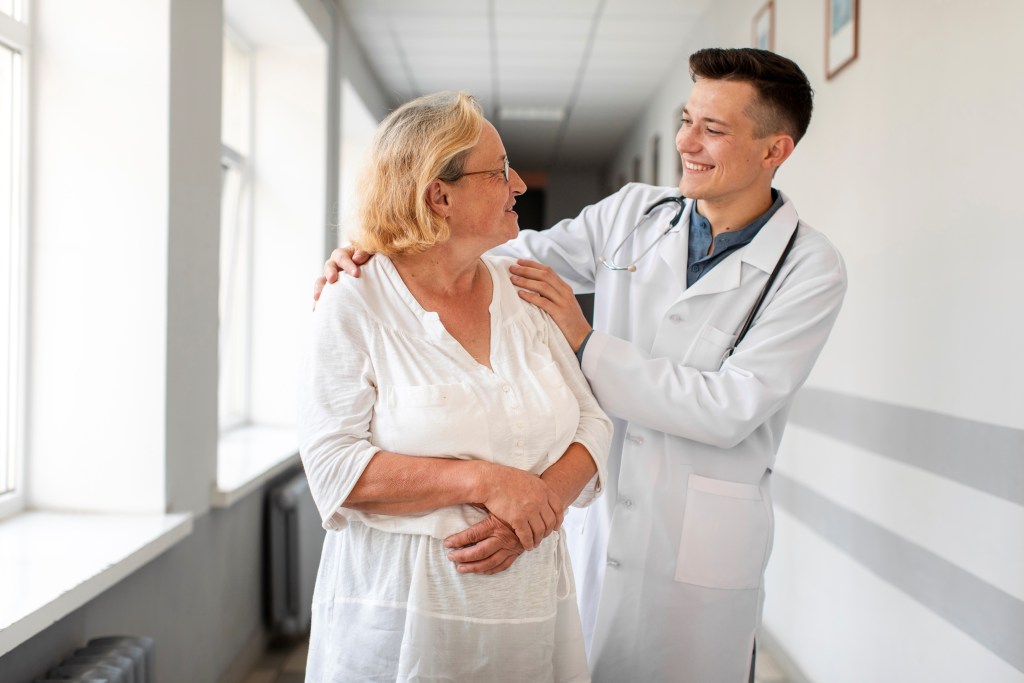
CSMC, the first institution in Asia to receive the People-Centred Care Commitment Award from Accreditation Canada in 2023, has been adamant in cultivating a hospital-wide culture that puts patients first.
This involves going beyond simply providing treatment and applying disease management routines. It entails having straight and thorough discussions with patients – and their families – about all available treatment options, its cost implications, possible complications that may arise following each procedure, detailed pain management and aftercare plans, and suitable counseling programs, among other initiatives.
When a 61-year-old patient came to CSMC for a routine knee assessment as part of a pre-employment requirement, he did not expect to leave with a diagnosis of triple vessel coronary artery disease (CAD) requiring urgent intervention. Faced with complex treatment choices, his care team at the hospital’s Cardiovascular Institute (CVI) took a co-design approach to his care by clearly explaining each option, listening to his concerns about cost, recovery time, and future employment, and shaping his treatment plan with him—rather than for him.
With access to financial support and a shared decision to proceed with the angioplasty, the patient was able to choose a path that is best aligned with both his health needs and personal goals.
Such an instance is just one example of the hospital’s steadfast commitment to advancing people-centred care through patient partnership, informed decision-making, and coordinated support at every stage of the patient experience.
Accreditation as a Driver of Quality and Safety
Indeed, the accreditation process shaped both CSMC’s systems and its organizational culture. The standards strengthened governance structures, formalized risk management processes, enhanced documentation integrity, and reinforced leadership accountability. Most importantly, they shifted the organization from reactive problem‑solving toward proactive, data‑driven continuous improvement. These changes have had a direct and lasting impact on patient safety.
Today, accreditation principles are embedded into CSMC‘s daily operations—influencing decision‑making at every level of the hospital.
Strengthening a Safety Culture Through Partnership
With ACI standards as an anchor, CSMC fosters psychological safety across the organization. Staff now feel supported rather than scrutinized, enabling honest conversations about vulnerabilities and risks. This openness strengthened incident reporting practices, reinforced patient‑centred care initiatives, and contributed to improved patient experiences across the hospital.
“Our staff are now more comfortable reporting safety issues they encounter in their workplace and feel empowered to speak up whenever patient safety concerns arise,” Dr. Serrano commented. “Accreditation has also fostered a stronger sense of shared accountability and collaboration among our teams. Staff members are increasingly working together across disciplines rather than operating in silos, enabling more coordinated and patient-centred care.” By achieving Diamond-Level Accreditation status, pride and confidence has permeated across the institution’s workforce. This accolade has fostered a sense of unity—one hospital, one standard, and one shared purpose.
Responding to Growing System Pressures
Like many healthcare organizations, CSMC faces increasing patient acuity, aging populations, workforce pressures, and infrastructure constraints. The accreditation process provided consistency in comprehensive assessments, individualized care planning, ethical decision‑making, and infection prevention—ensuring that safety remains a priority even as demands rise.
Beyond the Accreditation Journey
For CSMC, a successful accreditation is built on culture, strong systems, and deep staff engagement. Consistent leadership commitment throughout the process was essential, as is celebrating milestones to sustain momentum. Accreditation was not about passing a survey, but about building resilient systems that protect patients long after the surveyors leave. When approached as a collaborative journey, accreditation became more than just a framework; it evolved into a lasting legacy of safety, excellence, and compassionate care.